
April 28, 2026
Community
· Motorcycle Accidents
· Personal Injury


Ask any experienced rider and they’ll tell you the same thing — that first ride of the season feels a little different. A little unfamiliar. Maybe you grab the front brake a touch too hard at a stop sign. Maybe a curve comes up a little faster than you expected and your body hesitates a split second before it reacts.
That hesitation is normal. That’s rust. And every rider has it in spring.
The good news is it doesn’t take long to shake off. The bad news is most riders skip the shakedown phase entirely, pull straight onto the highway, and trust twenty years of experience to carry them through. Sometimes it does. Sometimes it doesn’t.
Here’s how to get sharp again — safely — before you open it up on the roads you love.
Motorcycle riding is a physical skill, like shooting free throws or playing guitar. Do it every day and it’s automatic. Take four or five months off and the muscle memory fades around the edges. Not completely – you don’t forget how to ride- but the fine-tuned reflexes that keep you out of trouble need a little warm-up time.
Specifically, here’s what tends to go first:
None of this makes you a bad rider. It makes you a normal human being. The riders who get into trouble in spring aren’t reckless — they’re experienced riders who underestimated how much the off-season costs them.
Start Slow. Seriously.
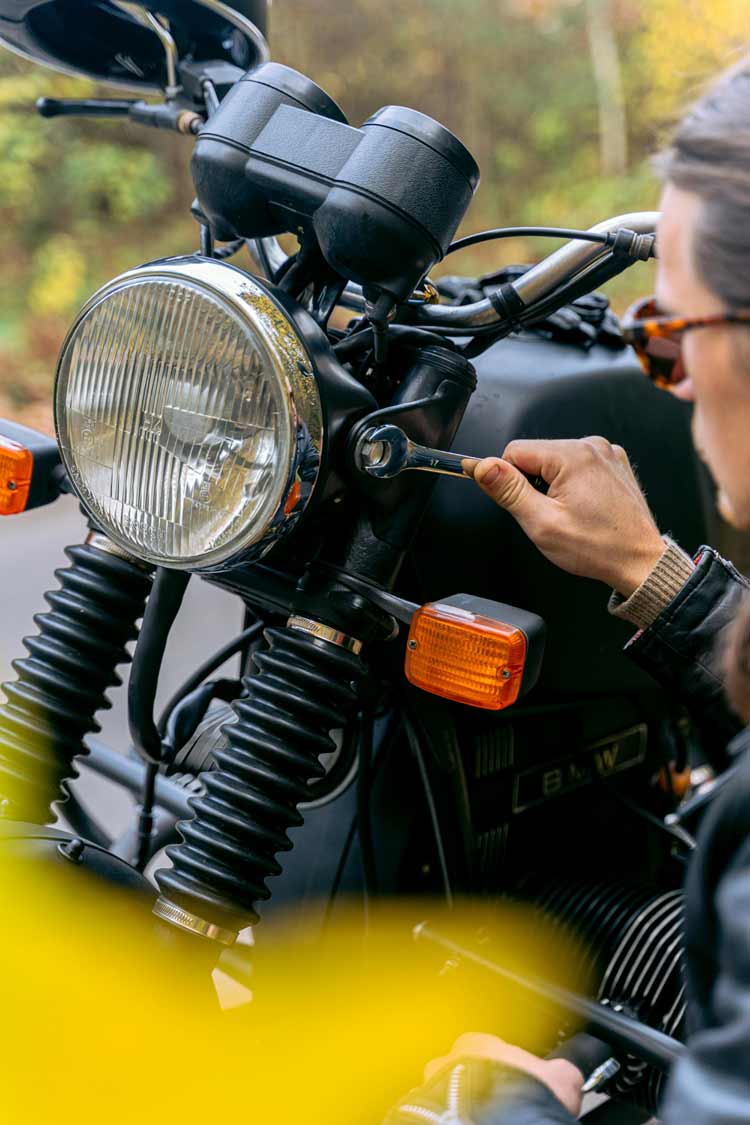 A Few Simple Tips Before You Take Off On Your Ride
Before your first highway run of the season, find an empty parking lot or a quiet backroad and run through these:
Spend 20 or 30 minutes on this before your first real ride. It feels like overkill until it isn‘t.
Before any of the above, the bike itself needs a pre-season inspection. A motorcycle that sat in a cold garage for five months is not the same motorcycle you parked in November.
Work through this list before the first ride:
Spring in Southern Ohio is beautiful. It’s also unpredictable. A 65-degree morning can turn into a 48-degree afternoon with rain by the time you’re 40 miles from home. And spring roads carry leftovers from winter — sand, gravel, patches of debris — that don’t belong there.
Before you ride, check your gear too:
Your boots should cover your ankles. Ankle injuries are among the most common in motorcycle accidents and among the most preventable with the right footwear.
Southern Ohio’s roads are some of the finest riding in the Midwest. State Route 32, the river roads along the Scioto, the winding backroads of Pike and Jackson counties — they’re genuinely beautiful and genuinely fun. That’s not the issue.
The issue is that a rusty rider on a beautiful road is a combination that shows up in crash reports every spring. According to the Ohio State Highway Patrol, motorcycle crashes in Ohio increase sharply beginning in April and peak through the summer months — right when riders are coming back after winter. Give yourself a week of easy miles before you push it. Your skills will return. The roads will still be there.
Next in this series: What Ohio Motorcycle Riders Need to Know About the Law — before they get back on the road.
Want to go deeper? Read our follow-up articles:
Shaking Off the Rust | Spring Is Here, Time to Ride!
Shaking Off the Rust, Part Two: How to Ride Safely After a Long Ohio Winter
Shaking off the Rust, Part Three: What Ohio Motorcycle Riders Need to Know About the Law
Shaking off the Rust, Part Four: Southern Ohio Roads: Beautiful to Ride, With Some Real Dangers
Southern Ohio Motorcycle Accident Lawyer
Sources:
Ohio State Highway Patrol Motorcycle Safety Bulletin 2023 · Ohio Bureau of Motor Vehicles, Motorcycle Licensing Requirements (bmv.ohio.gov) · Ohio Revised Code § 4511.53 · Ohio Department of Public Safety, Seasonal Motorcycle Crash Data
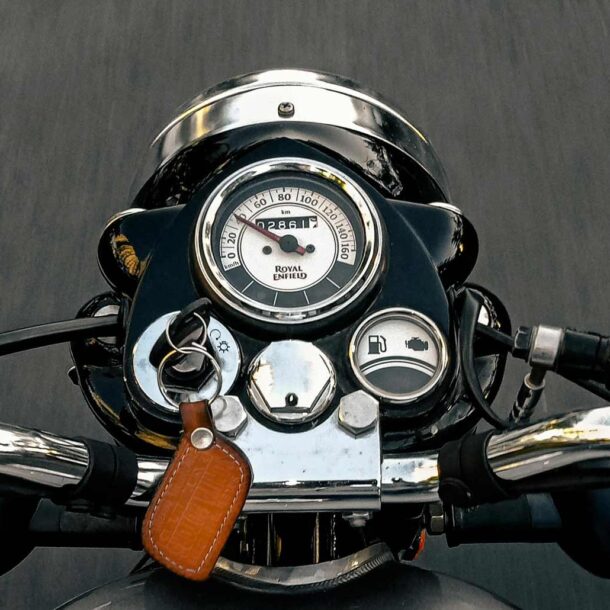
Special thanks to Vinit Gupta for the featured image. Also thanks to Antoni Shkraba Studio for the inset image.

 Optimized by Seraphinite Accelerator